


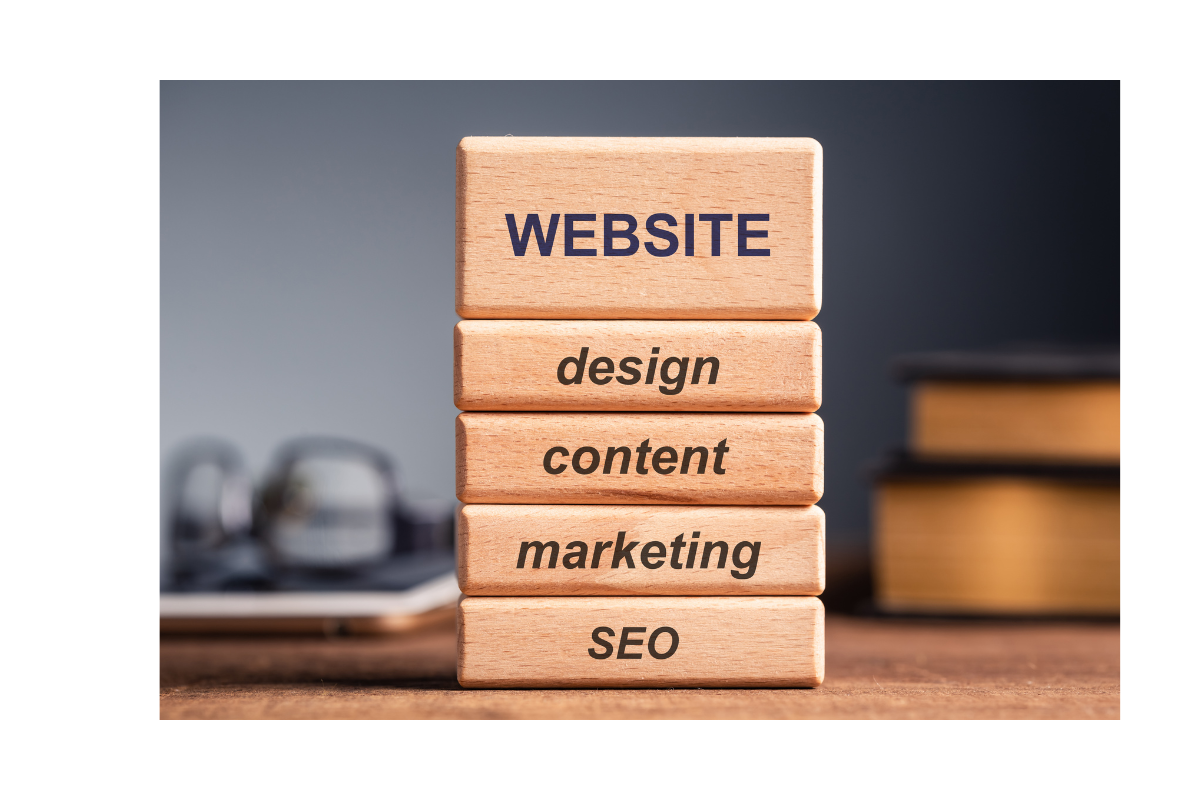
If you run a small business in 2025, you already know this: people judge your business before they ever call you. They judge it by how your website looks, how fast it loads, how easy it is to understand what you do — and whether your business feels real and trustworthy.
Over the past years, building websites for contractors, upholstery shops, home service companies, and small local businesses in the U.S., I’ve seen one thing again and again: most business owners underestimate how much a website influences their success. Some think a website is just “a few pages.” Others assume design matters more than content. Many think SEO is something that happens automatically.
But a good website doesn’t appear by accident.
It’s built with intention.
So here is an honest, realistic guide — written in simple English — based on what actually works right now. No fancy theory. No marketing jargon. Just real experience.
Start With What Your Customers Need, Not What You Like
Most business owners start with colors, logos, templates, or “cool design ideas.” But design should come after meaning.
The real first step is asking:
“What information does my customer look for in the first 10 seconds?”
You may think your business is special — and it probably is — but your visitors have one simple goal:
They want to know if you can solve their problem.
Before choosing any layout or style, be clear about:
- Who you serve
- What you offer
- Why they can trust you
- What they should do next
If a visitor needs more than a few seconds to understand what you’re about, they leave. Not because your business is bad, but because your website wasn’t built around their needs.
Make Your Website Feel Human
The biggest shift in 2025?
People want to connect with real businesses, not corporate-style websites.
This means:
- Use real photos, not stock images.
- Tell your story simply, not like a brochure.
- Show your team, your space, your work.
- Let your personality come through.
Authenticity is now a ranking signal. Even Google rewards content written from real experience — and they’ve said it directly in their E-E-A-T guidelines:
https://developers.google.com/search/docs/fundamentals/creating-helpful-content
When customers see something real, they trust you faster. And trust leads to conversion.
Keep the Design Simple — But Strong
A modern small business website doesn’t need to impress a designer. It needs to make the customer think,
“This looks professional. These people know what they’re doing.”
Clean design does that.
Large text does that.
A clear layout does that.
No need for animations, pop-ups, sliders, and heavy effects. Most of those slow the site down — and slow is the enemy of both users and Google.
In fact, HubSpot’s research shows that every extra second of load time lowers conversions significantly:
https://blog.hubspot.com/marketing/page-load-time-conversion-rates
Your focus should be:
- Clarity
- Speed
- Simplicity
Not unnecessary visual features.
Local SEO Matters More Than Design
You can have the most beautiful website in your area, but if no one can find it, it doesn’t matter.
Local SEO is the engine behind your visibility:
- Google Business Profile
- Service areas
- Local keywords
- Reviews
- Photos
- Consistent name/address/phone
These elements help Google understand where your business belongs and who should see it.
If you want an extremely simple explanation:
Local SEO tells Google, “Hey, show my business to people nearby who need me.”
And when Google understands this clearly, your phone starts ringing.
Here’s an easy-to-understand breakdown of why local SEO is critical for small businesses:
https://blog.hubspot.com/marketing/local-seo
Show Proof, Not Promises
People don’t trust statements like:
“We are the best.”
“We care about our customers.”
“We provide quality service.”
Everyone says that.
What people trust is proof:
- Reviews
- Before/after photos
- Case studies
- Your story
- Your process
The more real evidence you show, the more Google and customers consider your business legitimate and credible.
This is why at Seva Web Studio we always push clients to build a portfolio, even if it’s small. A portfolio is not decoration — it’s a trust weapon.
Write Content That Sounds Like a Real Person
Forget “SEO robot language.”
Write like you talk.
Explain like a human.
If your website sounds stiff or corporate, visitors disconnect emotionally.
But if your content feels warm, simple, and honest, people stay longer — and Google sees that engagement.
Even top marketing experts like Neil Patel emphasize human-first writing:
https://neilpatel.com/blog/eeat-seo/
So always prefer clarity over complexity.
A Good Website Is Never Truly “Finished”
This is something most business owners misunderstand.
They build a website once and then leave it untouched for three years.
But here’s the truth:
A website that doesn’t grow eventually dies.
Google wants to see updates:
- new blog posts
- new projects
- fresh photos
- expanded services
- improved descriptions
Every update is a “freshness signal.”
And freshness is an authority signal.
Small, consistent improvements beat one big redesign every time.
Final Thoughts: Build a Website That Works, Not Just a Website That Exists
If you’re building a website for your small business in 2025, don’t think of it as a digital brochure. Think of it as the center of your business — your voice, your credibility, and your bridge between you and your customers.
Start with empathy.
Speak clearly.
Show your work.
Look real.
Move fast.
Be consistent.
And if you want a website that actually brings customers — not just traffic — we’ll be happy to build it for you.